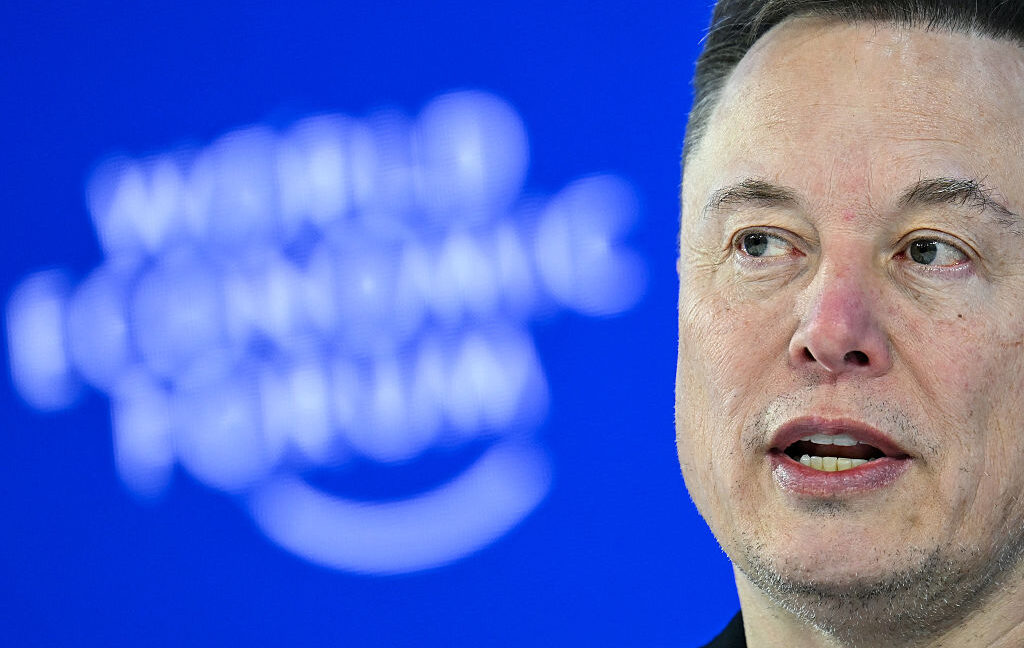
The European Union may soon ban nudify apps after Elon Musk’s chatbot Grok emerged as a prime example of the dangers of an AI platform failing to block outputs that sexualized images of real people, including children. In a joint press release, the European Parliament’s Internal Market and Civil Liberties committees confirmed that lawmakers voted 101–9 (with 8 abstentions) to simplify the Artificial Intelligence Act and “propose bans on AI ‘nudifier’ systems.” The vote came after the European Commission concluded earlier this year that the AI Act does not prohibit “AI systems that generate child sexual abuse material (CSAM) or sexually explicit deepfake nudes.” At that time, the Commission signaled that Parliament members were already proposing ways to amend the law to strengthen protections against such harmful content. If the amendment passes, which seems likely, it would foil Elon Musk’s plan to blame users for harmful outputs. Earlier this year, xAI declined to introduce safeguards to block outputs, vowing to suspend and hold users legally accountable for any CSAM or non-consensual intimate imagery they generate. Instead, the feature was paywalled, limited to subscribers who could reportedly continue generating explicit content without the consent of real people whose images were fed into Grok. In the US, xAI has seemingly faced few consequences for Grok’s outputs, but had the Take It Down Act been in play—it takes effect in May—the company could have risked billions in fines. It’s possible that Musk’s tactic of paywalling the feature and blocking Grok from spouting harmful outputs in response to prompts on X was intended to mitigate some of that risk ahead of that law’s enforcement. But if the EU bans nudify apps, perhaps as early as August, Musk would finally be forced to intervene, fine-tuning Grok to be less “spicy” than Musk likely wants or else risking violating the AI Act. That could cost xAI too much at a time when competing with its biggest rivals in the AI race demands substantial investments, with possible fines of up to 7 percent of its total worldwide annual turnover.
Musk’s tactic of blaming users for Grok sex images may be foiled by EU law